Social Network Trending Updates on 3d exterior rendering
Wiki Article
Turning Creative Concepts into Tangible Form with 3D Architectural and Exterior Visualisation
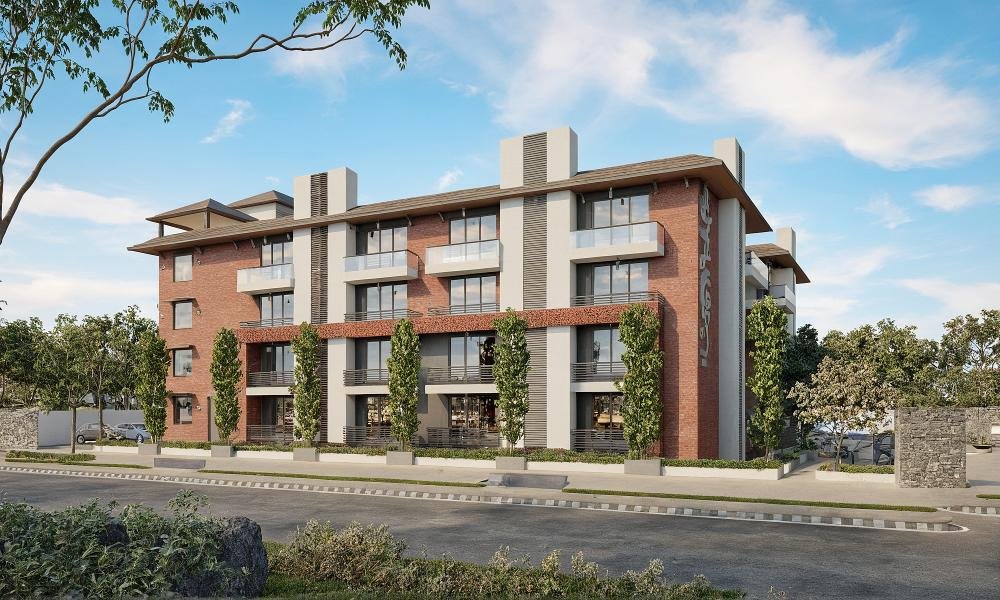
In the modern design landscape, where detail and aesthetic communication play a pivotal role, 3D visualisation has become an essential tool for architects, real estate professionals, and planners. This cutting-edge visualisation method allows professionals to translate architectural concepts to life long before construction begins. By delivering realistic images and lifelike illustrations of structures, 3D rendering connects between imagination and execution, helping clients understand their projects with exceptional clarity.
Whether it’s a luxury home, a business property, or a master-planned township, 3D rendering provides an accurate depiction of surface finishes, lighting, and surroundings. It ensures that every design element—from surface finishes and greenery to glare and gloss—is showcased in the most authentic manner possible, allowing for sound evaluation and effective project presentation.
The Core of 3D Architecture Rendering
3D architectural modelling refers to the process of creating high-fidelity illustrations or animations of architectural designs using specialised software. It converts flat plans and sketches into dynamic visuals. This not only enhances clarity among stakeholders but also minimises gaps between designers and clients.
Through this method, architects can test multiple design options, textures, and shadow plays to achieve the perfect visual outcome. Whether the project involves sleek modern homes, heritage-inspired buildings, or ultra-modern offices, 3D rendering captures the desired look and artistic tone. It also allows for early detection of design inconsistencies, saving time, effort, and cost during the construction phase.
Advantages of Using 3D Exterior Rendering
When it comes to presenting the external appeal and practicality of a building, outdoor architectural rendering stands out as a revolutionary technique. Exterior visuals are often the primary view clients or investors have of a project, making realism and accuracy essential. This technique ensures that architectural exteriors—facades, materials, landscapes, and surroundings—are represented with lifelike precision.
One of the key advantages of 3D exterior rendering is its ability to simulate real-world lighting conditions. By using advanced lighting models, artists can depict how a building would appear at different times of the day or in various weather conditions. This gives clients a realistic preview of the final outcome, enhancing their confidence in the design. Additionally, developers can use these visuals for advertising, exhibitions, and funding proposals, significantly improving interest and decision success.
How 3D Architecture Rendering Enhances the Design Process
Integrating 3D architecture rendering into the design workflow transforms traditional architectural communication. Instead of relying solely on plans or 2D sketches, professionals can showcase captivating visual narratives that connect with clients’ emotions and expectations. This approach strengthens collaboration among architects, interior designers, and landscape planners, as everyone can visualise the same concept in detail.
Moreover, the technology supports dynamic updates. Clients can request adjustments in colour scheme, materials, or design flow and instantly see updated results. This not only speeds up the approval process but also minimises costly revisions later. By merging creativity with engineering detail, 3D rendering empowers architects to experiment with new ideas with freedom and accuracy.
The Significance of Realism in Architectural Visualisation
Realism is at the heart of every effective exterior 3D render. Achieving this requires an understanding of lighting, camera angles, and textures. Artists use high-resolution textures, precise tone balancing, and contextual imagery to ensure that the rendered image mirrors real-life appearances. From the reflection of light on polished surfaces to the subtle shadowing of trees, every detail contributes to authenticity.
In addition, realistic rendering enhances visual communication. It allows designers to create mood-driven visuals that convey mood and purpose—whether it’s the peaceful ambience of a residential property surrounded by greenery or the urban energy of a bustling commercial hub. These visuals evoke emotion, helping stakeholders relate to the project on a deeper level.
Applications Across the Property Development Field
The applications of 3D architecture rendering extend far beyond creative spaces. Real estate developers use it to showcase properties in marketing campaigns, allowing potential buyers to imagine their future homes. Construction firms leverage detailed renderings to align teams on project logistics. Municipal authorities often rely on them to assess urban planning proposals 3d exterior rendering and ensure alignment with zoning requirements.
In interior design, 3D rendering helps professionals visualise layouts, lighting, and decor themes. For large infrastructure projects, these visualisations serve as powerful communication tools to engage investors and the public. Across industries, the power of 3D rendering lies in its ability to convert blueprints into visuals.
Modern Developments Driving 3D Rendering
The field of 3D exterior rendering has advanced rapidly due to advancements in graphics technology, rendering engines, and software tools. Techniques like ray tracing, global illumination, and live visualisation have pushed the boundaries of creativity and performance. Today’s rendering platforms allow artists to create cinematic-quality visuals that rival actual photography.
Artificial Intelligence (AI) and Virtual Reality (VR) have also reshaped this space. AI-powered tools streamline complex rendering tasks, improve materials, and simulate realistic environments, making the process time-saving. Meanwhile, VR integration enables clients to walk through virtual models of their projects, experiencing the design as if it were already built. These innovations are transforming how architecture is visualised and presented to the world.
Why Designers and Builders Prefer 3D Rendering
For architects and developers, 3D visualisation offers functional and economic advantages. It strengthens communication, prevents misinterpretation, and ensures design alignment. For developers, it provides powerful imagery that can attract investors and buyers before construction even starts. For architects, it serves as a creative tool to explore design possibilities.
Clients benefit too, as they gain a clear understanding of what the final structure will look like. This transparency fosters reliability, positive response, and engagement throughout the project lifecycle. By integrating realistic visuals early in the process, both parties can make assured decisions.
Elevating Brand Image Through Professional-Grade Visualisation
In an image-driven era, high-quality architectural visualisation plays a vital role in business perception. Firms that invest in expert visualisation position themselves as innovative pioneers with a commitment to quality and innovation. Striking visuals can make marketing campaigns more persuasive, project showcases more appealing, and submissions more effective.
By consistently delivering authentic imagery, design firms and developers build trustworthiness and distinguish themselves in a competitive market. This investment not only enhances stakeholder confidence but also contributes to reputation building.
Limitations and Outlook of 3D Rendering
Despite its immense potential, 3D architecture rendering comes with challenges such as costly licences, technical complexity, and the need for technical expertise. However, as technology progresses further, these barriers are reducing. The future of 3D rendering lies in automation, remote rendering, and real-time design visualisation.
Emerging tools are making rendering more user-friendly, enabling smaller firms to produce studio-grade imagery without extensive hardware setups. The integration of hybrid digital environments will further enhance client experiences, offering immersive previews of architectural designs.
Summary
architectural 3D visualisation and 3D exterior rendering have transformed the way architectural ideas are presented and understood. They transform design concepts into emotionally appealing experiences that inspire confidence, innovation, and synergy. From enhancing presentations to elevating marketing impact, 3D rendering continues to be an essential resource for creative professionals and construction experts. As technology advances, its role will only expand further—merging creativity and construction with every pixel rendered. Report this wiki page